Contents
What Is a Sapphire?
Sapphire is one of the four traditional precious gemstones (along with diamond, ruby, and emerald) and is famed for its striking beauty and exceptional hardness. Scientifically, sapphire is the gemstone variety of the mineral corundum, composed of aluminum oxide.
Trace amounts of elements like iron, titanium, or chromium give sapphires their color. By definition, any gem-quality corundum that isn’t red (ruby) is a sapphire, which means sapphires come in many colors besides blue.
Renowned for its rich sapphire blue color, this stone has been treasured since ancient times for its allure and durability.
In fact, sapphire ranks 9 out of 10 on the Mohs hardness scale – the second hardest mineral after diamond – making it extremely resistant to scratches and ideal for daily-wear jewelry.
It is also celebrated as the birthstone of September and a symbol of wisdom, nobility, and faithfulness in many cultures.
Colors and Varieties of Sapphire
When most people imagine a sapphire, they picture a deep royal blue gem. Indeed, the classic sapphire is a blue sapphire, colored by trace iron and titanium giving it that vivid hue. However, sapphires actually occur in a rainbow of colors, collectively known as fancy sapphires. These include pink, yellow, green, purple, orange, and even colorless or black varieties.
For example, trace chromium can turn corundum pink or fiery orange-pink (in rare cases producing the coveted padparadscha sapphire) while vanadium can create purplish tones. Some sapphires are even bi-colored or color-changing – appearing blue in daylight and purple under incandescent light.
Loose natural sapphires in blue and green hues, illustrating the range of sapphire colors beyond just blue.
Notably, blue sapphires are simply referred to as “sapphire” without a color prefix, since blue is the most iconic color of this gem. The finest blue sapphires – often described as cornflower blue or royal blue – have an intense medium-dark blue saturation without being too inky or too pale.
Sapphires can also come in striking green shades. In recent years, green and blue-green teal sapphires have gained popularity as unique choices for jewelry, including engagement rings. On the other end of the spectrum, the rare padparadscha sapphire, with its delicate pinkish-orange lotus blossom color, is one of the most valuable sapphire varieties due to its rarity.
In summary, sapphire’s color palette is remarkably broad – virtually every color except pure red – making it a versatile gemstone that offers options for every taste.
Sapphire Engagement Rings and Wedding Bands
Matching sapphire engagement rings featuring Montana sapphires and diamond accents in white gold. Sapphires have become an increasingly popular choice for engagement rings and wedding jewelry, prized for their beauty, durability, and meaningful symbolism.
In fact, the world’s most famous engagement ring is a sapphire: Princess Diana’s iconic 12-carat blue sapphire ring (now worn by Kate Middleton) that is encircled by diamonds.
This royal sapphire engagement ring sparked a surge of interest in sapphire engagement rings worldwide, highlighting sapphire as a timeless symbol of romance and nobility.
Are sapphires good for engagement rings? Absolutely yes. Thanks to sapphire’s exceptional hardness (9 on the Mohs scale), a sapphire engagement ring can withstand daily wear and resist scratching better than almost any other gemstone.
Only a diamond (Mohs 10) or another sapphire can scratch it, so you won’t have to worry about keys or household objects scuffing your sapphire gem. Sapphires are also quite tough and don’t easily chip or fracture, making them ideal for rings that will be worn every day.
This durability means a sapphire ring can become a lasting heirloom. Many couples are drawn sapphire engagement rings as a distinctive alternative to the traditional diamond. In terms of affordability, sapphires often offer more bang for your buck: they provide luxurious color and brilliance at a lower price per carat than equivalent diamond rings.
Of course, ultra-rare sapphires can be very expensive, but in general a sapphire engagement ring is a budget-friendly choice for the same carat size.
For example, a 2ct sapphire engagement ring is usually significantly more affordable than a 2ct diamond ring of similar quality, making sapphire an attractive option for those who want a sizable center stone without an astronomical cost.
Another advantage of sapphire engagement rings is the variety of colors and unique looks you can achieve. Sapphires aren’t only blue; you can choose a green sapphire engagement ring or a pink, yellow, or even peach sapphire as the center stone.
Green sapphire engagement rings in particular have a fresh, unconventional charm, and teal-hued Montana sapphires have been trending for their one-of-a-kind beauty. Sapphires from Montana, USA have become especially popular for engagement rings – these Montana sapphire engagement rings often feature stones with gorgeous blue-green shades or pastel colors that aren’t commonly seen in sapphires from elsewhere.
Plus, many appreciate that Montana sapphires are mined domestically with ethical practices, making them an appealing choice for eco-conscious couples. Whether it’s a classic royal blue Ceylon sapphire or a unique parti-colored Montana gem, a sapphire center stone allows an engagement ring to reflect personal style and stand out from the crowd.
In fact, unique sapphire engagement rings are sought after by those who want something different – from vintage-inspired designs with sapphire halos to modern minimalist solitaires showcasing an unusual sapphire hue.
Sapphire engagement rings also pair beautifully with diamonds. It’s common to see a sapphire and diamond ring style – for instance, a sapphire center stone encircled by a halo of diamonds or flanked by diamond side stones.
The sparkle of diamonds complements the rich color of a sapphire, creating a stunning contrast. A blue sapphire set in a white gold ring or platinum ring (as in Princess Diana’s ring) gives a timeless, elegant look, while sapphires set in yellow or rose gold can offer a warm, vintage charm.
There are countless designs available, from sapphire solitaire rings to elaborate Art Deco clusters. Sapphires also work well for wedding rings and bands. Some couples opt for sapphire wedding rings or eternity bands – for example, a sapphire wedding band with a continuous line of small blue sapphires (or alternating sapphires and diamonds) makes a vibrant statement of love.
Such sapphire eternity bands are often given on anniversaries as well, symbolizing enduring loyalty.
It’s worth noting that sapphires aren’t just for women’s rings. Men’s jewelry can also feature this striking gem.
A sapphire men’s ring (for instance, a signet ring or a men’s wedding band with a sapphire inset) offers a bold pop of color and a touch of personal flair while still being rugged enough for daily wear.
In summary, whether used in an engagement ring, a bridal set, or a gentleman’s ring, sapphire brings a combination of beauty, durability, and individuality that makes it a superb choice for such meaningful jewelry pieces.
Sapphire Earrings, Necklaces, and Bracelets
Beyond rings, sapphire jewelry of all kinds is beloved for its eye-catching color and elegance. Sapphires have adorned everything from royal necklaces to everyday studs. Here are some popular types of sapphire jewelry and what makes them special:
- Sapphire Earrings: Sapphire earrings range from understated studs to glamorous drop earrings. Classic sapphire stud earrings – often a single round or oval blue sapphire in each ear, maybe surrounded by a diamond halo – add a touch of color and sophistication to any look.
For more dramatic flair, sapphire drop earrings or dangle earrings showcase the gemstone’s sparkle with movement. Many designs combine sapphires and diamonds for extra brilliance, such as pear-shaped blue sapphires dangling beneath glittering diamond accents.
The deep blue of a sapphire is especially striking near the face, but fancy sapphire colors like pink or yellow are also used in elegant earring designs. - Sapphire Necklaces: A sapphire necklace makes a wonderful statement piece or heartfelt gift. One timeless option is a solitaire sapphire pendant – for example, a single vivid blue sapphire on a simple gold or platinum chain.
A sapphire necklace in gold (yellow or rose gold) gives a classic, warm look that complements the blue gem, while white gold or silver emphasizes the cool tones of a blue or green sapphire. Sapphires can also be the centerpiece of elaborate diamond necklaces or Y-drop designs for formal wear.
From dainty pendants to bold sapphire-encrusted statement necklaces, there’s a style for every occasion. Thanks to sapphire’s hardness, you can wear a sapphire pendant daily without worry. Just as with rings, you might match a sapphire pendant with the wearer’s birthstone (September) or coordinate with sapphire rings or earrings for a set. - Sapphire Bracelets: Sapphires also shine in bracelets. A popular style is the sapphire tennis bracelet, which features a line of matched sapphires (or alternating sapphires and diamonds) in a flexible bracelet setting.
The continuous row of stones creates a dazzling ribbon of color around the wrist. Blue sapphire tennis bracelets are classic, but you may also find multi-color sapphire bracelets showcasing a rainbow of hues. Sapphires are sometimes used as accent stones in charm bracelets or bangles as well.
Their durability means they can handle the occasional knock that a bracelet might encounter. Whether it’s a single sapphire set in a delicate chain bracelet or a full eternity line of stones, a sapphire bracelet adds a touch of luxury to the wrist.
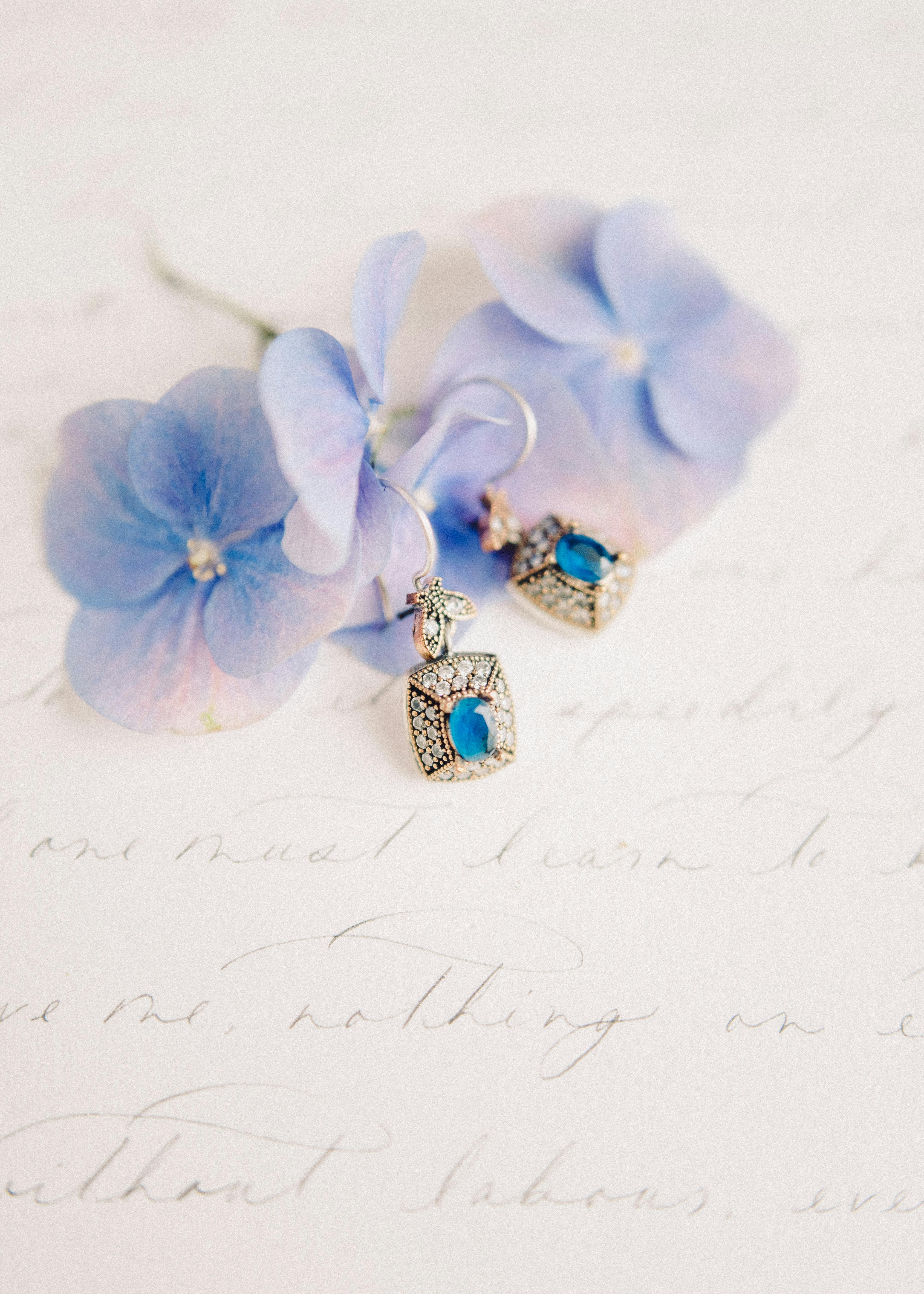
No matter the form – rings, earrings, necklaces, or bracelets – sapphire jewels exude a sense of elegance and vibrancy. Sapphires in jewelry are often paired with diamonds or other complementary gemstones, but they are also stunning on their own.
These gems are versatile: a deep blue sapphire can appear regal and formal, while a pastel sapphire or a yellow sapphire can create a playful, modern look. And because sapphires come in so many colors and cuts, jewelry designers have endless creativity when working with this gemstone. From a simple sapphire crystal pendant to elaborate couture pieces, sapphire jewelry continues to enchant people around the world.
Durability and Hardness of Sapphire
One of sapphire’s greatest strengths (literally) is its durability. As mentioned, sapphire scores a 9 on the Mohs hardness scale, meaning it is extremely resistant to scratches. In practical terms, will a sapphire scratch or get scratched in everyday wear?
Under normal conditions, sapphire gemstones do not scratch easily at all. Only materials of equal or greater hardness – such as another sapphire or a diamond – can scratch a sapphire. Common objects like knives, keys, or glass won’t mar this tough gem. This is why sapphires are recommended for engagement rings and other jewelry that gets daily use.
They hold up well over time and can maintain a polished shine for many years. In fact, gem experts note that sapphire is an inherently strong gemstone, not prone to scratching, chipping, or cracking, and it can “take the stress of everyday wear” without losing its beauty.
Of course, while sapphires are very hard, they are not indestructible – a hard blow could still cause damage – so one should still treat fine jewelry with care. But overall, sapphire’s hardness and excellent toughness make it a very durable gem suitable for any type of jewelry.
Sapphire’s remarkable hardness also lends itself to uses beyond jewelry. Sapphire crystal (synthetic sapphire) is famously used for high-end watch faces and instrument gauges – if you see a “sapphire crystal watch,” it means the watch face is made of lab-grown sapphire glass.
The reason is that sapphire’s hardness makes the watch glass virtually scratch-proof during normal use. Similarly, durable sapphire material is used in some camera lenses, scientific instruments, and even the windows of spacecraft and supermarket barcode scanners.
These applications leverage the same property that appeals to jewelry lovers – sapphire’s extraordinary hardness and resilience.
In summary, sapphire is second only to diamond in hardness, giving it superb resistance to scratches and abrasion. It also has no cleavage (planes of weakness), so it doesn’t chip easily. This combination of hardness and toughness means a sapphire will keep looking crisp and lustrous even after years of wear. Whether in a ring or a watch or any other form, sapphire can truly stand the test of time.
Value and Price of Sapphires
Are sapphires expensive? The answer can be yes or no, depending on the specific sapphire. Sapphires are considered one of the “big four” precious gemstones, and fine specimens can command very high prices – sometimes even rivaling diamonds.
However, there is a wide range of values in the sapphire market. The price of a sapphire depends on factors often called the “Four Cs”: color, clarity, cut, and carat weight, as well as whether the stone is natural or treated, and its provenance.
Colorness of sapphires
Color is king for sapphires: a top-quality blue sapphire with a rich, pure hue will be far more valuable than a paler or overly dark stone. For example, a velvety blue Kashmir sapphire (from the famed but now depleted mines in the Kashmir region) can fetch enormous prices, over $10,000 per carat, due to their legendary color and rarity.
Likewise, the rare padparadscha (pink-orange) sapphires or unheated perfect specimens can reach tens of thousands of dollars per carat in the market. In fact, a 392-carat blue sapphire sold for about $17 million, showing that truly exceptional sapphires are extremely valuable.
On the other hand, sapphires are generally more affordable than diamonds of similar size and quality in today’s market. This is somewhat ironic because gem-quality sapphires are actually rarer in nature than diamonds.
But diamonds have a higher price in part due to tightly controlled supply and aggressive marketing over the decades. What this means for consumers is that for many cases, you can get a larger or better-colored sapphire for the same budget that might only afford a smaller diamond.
Many beautiful sapphires in the 1–2 carat range are available in the few hundred to few thousand dollar range, whereas diamonds of that size with good quality would cost much more. As a rough guide, a fine 1-carat blue sapphire might cost anywhere from $300 up to $3,000 or more, depending on quality.
Prices per carat tend to increase for larger stones: e.g. a fine 3–4 carat sapphire could be $2,500–$4,000 per carat or beyond. Commercial-grade sapphires that have been routinely heat-treated (which is very common for sapphires) can be quite affordable – some start as low as $25–$100 per carat for small, less intense stones.
On the flip side, an untreated top-tier sapphire of several carats, especially in a rare color or from a famous source, could easily exceed $20,000 per carat. In short, sapphire value is highly variable. Most consumers will find that sapphires offer a great range of price points: there are options for modest budgets as well as for collectors willing to pay a premium for the very best.
If you’re wondering “how much is a sapphire worth?”, you should consider the individual qualities of the stone. A vividly colored, transparent sapphire with minimal inclusions, a skillful cut, and a larger size will be worth substantially more. Origin can also play a role – sapphires from famed regions like Kashmir, Burma (Myanmar), or Ceylon (Sri Lanka) often carry a prestige that boosts value.
For example, Sri Lanka has historically produced magnificent blue sapphires and still is a major source of high-quality stones, sometimes marketed as “Ceylon sapphires.” In contrast, sapphires with many visible inclusions or a less desirable color (like very dark, inky blue) are more common and thus less expensive.
Treatments like heating (which can improve color and clarity) are universally practiced; unheated sapphires with excellent color are rarer and may command higher prices for collectors who value natural stones. Synthetic sapphires (lab-grown) are also available and are far cheaper than natural ones, but they have little to no resale value as gems.
From a shopper’s perspective, can you afford a sapphire? In many cases, yes. With a variety of grades on the market, there are sapphires available for a few hundred dollars that are lively and beautiful, especially if you are open to slightly lesser-known colors (for instance, a pretty peach sapphire or a lively yellow sapphire can cost less than an equivalent blue).
As one jewelry source notes: with treated stones and various colors available, many people can afford a sapphire that meets their desires. That makes sapphire a very attractive gemstone for engagement rings and fine jewelry – you can get the prestige of a precious gem without necessarily breaking the bank.
And for those looking to invest or splurge, the upper end of the sapphire market certainly provides opportunities to own something truly extraordinary and rare.
Where Are Sapphires Found?
Sapphires are mined in many parts of the world, and a stone’s origin can often be identified by its unique characteristics. Historically, some of the most prized sapphires came from Sri Lanka, Burma (Myanmar), and the Kashmir region of India/Pakistan.
Sri Lanka (formerly Ceylon) is famous for producing superb large blue sapphires with a vibrant medium-blue color, as well as a wide range of other colored sapphires. Myanmar’s Mogok region has yielded “Burmese sapphires” of top quality – intensely blue and often with a sought-after velvety appearance.
Kashmir sapphires, mined mostly in the late 1800s in the Himalayas, are legendary for their cornflower blue hue and sleepy brilliance; these are extremely rare and valuable, as the old mines are virtually depleted.
In addition to these classic sources, sapphires are found across Asia and Africa. Thailand and Cambodia have been significant sources, particularly of yellow and green sapphires (Thailand’s Kanchanaburi mines were known for dark blue sapphires, while Madagascar and Tanzania have since taken on a larger role). Vietnam also produces blue sapphires in some locales.
East Africa has become important in recent decades: countries like Tanzania, Kenya, and Madagascar produce sapphires in various colors. Madagascar, in fact, has been one of the world’s leading sapphire producers since major deposits were discovered there in the late 1990s.
Today, Madagascar yields a very large quantity of sapphires (including blues that rival those from traditional sources) and has pretty much every color variety. Nigeria and other West African nations have also yielded sapphires, often yellow or greenish, adding to the global supply.
Australia is another major source – in terms of sheer volume, Australian mines (particularly in Queensland and New South Wales) produce a significant percentage of the world’s blue sapphires – by some estimates up to 70% of the world’s supply of blue sapphire.
Australian sapphires are typically a very dark blue to blue-green, often requiring treatment to lighten the color. They were once considered primarily commercial-grade, but they remain a mainstay for the global jewelry market due to their abundance.
In the United States, the most famous sapphire sources are in Montana. Montana sapphires (from places like Yogo Gulch, Rock Creek, and the Missouri River regions) are treasured for their often natural untreated state and unique colors – they can be a lovely cornflower blue, but also come in beautiful shades of teal, green, and pastel colors.
Yogo sapphires from Montana are typically a rich violetish-blue and are notable for being naturally free of heat treatment; however, they are usually small in size. Montana is actually the only state in the U.S. with significant commercial sapphire mining – nearly all American-mined sapphires come from Montana. Sapphires have also been found in small quantities in places like North Carolina, but not enough to be a major source.
To summarize by region: South Asia (Sri Lanka, India) and Southeast Asia (Myanmar, Thailand, Vietnam, Cambodia) have historically been rich sources of sapphire, especially blue sapphires. East Africa (Madagascar, Tanzania, Kenya) has emerged as a modern powerhouse for sapphire production, giving a diversity of colors.
Australia supplies a large portion of the world’s sapphires (mostly dark blues), and North America’s Montana is famed for its boutique sapphires prized in the American market.
Such widespread geographic sources mean that when you buy a sapphire, it could have come from any number of exotic places around the globe.
Gemologists can sometimes determine origin by examining inclusions and trace element chemistry, which is a fascinating aspect of sapphire lore. But regardless of origin, what matters most for value is the beauty and quality of the individual stone.
How Sapphires Form (Nature and Lab)
How is a sapphire formed in nature? The story of a sapphire begins deep underground over millions of years. Sapphires form under intense heat and pressure in the Earth’s crust, in environments where aluminum and oxygen can crystallize into the mineral corundum.
Geologically, sapphires are often associated with either metamorphic rocks (like marble or gneiss) or igneous rocks (like basalt or pegmatites), depending on the deposit. One common scenario is that aluminum-rich minerals in the crust, devoid of silicon (so-called undersaturated rocks with no quartz), recrystallize during metamorphic events to form corundum crystals.
Another scenario is that corundum crystals grow in aluminum-rich volcanic rocks and are later freed by erosion. In places like Sri Lanka and Madagascar, sapphires weather out of their host rock and accumulate in alluvial deposits (river gravels) where miners can eventually recover them.
Most gem-quality sapphires are found in secondary placers (riverbeds, stream sediments) rather than in the original rock, because water and erosion naturally concentrate the durable sapphire crystals for easier mining.
In more concrete terms, sapphire crystals form when aluminum oxide (Al₂O₃) solidifies in a crystalline structure. Pure corundum is colorless, but as mentioned, tiny traces of other elements substitute into the crystal and give color. For instance, iron and titanium atoms in the crystal lattice yield blue sapphires, while chromium yields pink or red (if enough chromium to turn it red, it’s called ruby).
Because the geological conditions required are quite specific (you need aluminum-rich and silica-poor conditions, plus the right cooling and pressure environment), gem sapphires are relatively rare. They often form as small prismatic or bipyramidal crystals (barrel-shaped hexagonal prisms).
Over time, geological processes like uplift, erosion, and sedimentation deliver these crystals to places humans can find them – such as gravel beds in Sri Lanka, Montana, or Australia.
How is sapphire made in a lab? Since sapphire is simply crystallized aluminum oxide, scientists learned over a century ago how to create sapphire crystals artificially. The first synthetic sapphires were made in the early 1900s using the Verneuil flame-fusion process, where powdered aluminum oxide is melted with a torch and then recrystallizes into a boules of sapphire.
This method can produce large quantities of synthetic sapphire cheaply, though the crystals often have telltale curved growth lines. Nowadays, there are also advanced methods like Czochralski pulling and hydrothermal growth that create higher-quality synthetic sapphires.
These lab-grown sapphires are chemically and physically identical to natural sapphire – they are real corundum – but of course they lack the rarity. They’re used extensively in industry (for the scratch-resistant watch faces and electronics mentioned earlier) and also in jewelry as a budget-friendly alternative to natural stones (often marketed as “lab-created sapphire”).
Gemologically, labs can usually distinguish synthetic sapphire by certain internal features, but to the naked eye they can look as beautiful as natural gems. The important distinction is disclosure and value: a synthetic sapphire might be only a few dollars per carat, whereas a natural one of similar appearance could be hundreds or thousands.
In summary, natural sapphires are miracles of geology – forming over immense timescales under Earth’s forces – whereas synthetic sapphires are a product of human ingenuity, “grown” in months or weeks in a lab. Both share the same chemical makeup and hardness; only their origin differs.
For jewelry lovers who want the real romance of a stone from the Earth, natural sapphires carry that gravitas. Yet lab sapphires have their place too, especially when used in watch crystals or as affordable gems. Both attest to sapphire’s enduring allure, whether born from the heart of a mountain or the heart of a furnace.
Conclusion
Sapphire is truly a gemstone that has it all – breathtaking beauty, legendary status, and robust practicality. Its captivating colors (from the classic deep blue to every shade of the rainbow) and brilliant luster have made it a favorite of royalty and jewelry connoisseurs for centuries.
At the same time, its hardness and durability mean it can be enjoyed in everyday jewelry without worry. Whether you’re drawn by the lore of a blue sapphire engagement ring symbolizing loyalty and love, or you simply love the sparkle of a sapphire tennis bracelet or pendant, this gem offers something timeless and special.
In the world of jewelry, trends come and go, but sapphires remain perennially in style – a blue sapphire in particular is as iconic as it gets. From sapphire engagement rings that celebrate personal style, to sapphire birthstone gifts that carry personal meaning, to the dazzling sapphire jewels in museum collections, the sapphire continues to weave its spell around the world.
If you’re considering a sapphire for your collection, you can be confident you’re investing in a gemstone with enduring beauty and value. In every sense, sapphire is a true classic – a crystal-clear choice for those who seek a combination of elegance, strength, and a touch of magic in their jewelry.
Sources:
Sapphire Gemstone | Sapphire Stone – GIA
Why We Love Montana Sapphires and Yogo Sapphires – Gem Society
A blue miracle: How sapphires formed in volcanoes – ScienceDaily
Sapphire | Birthstones | Gems | Geology & Soils | Online Resources