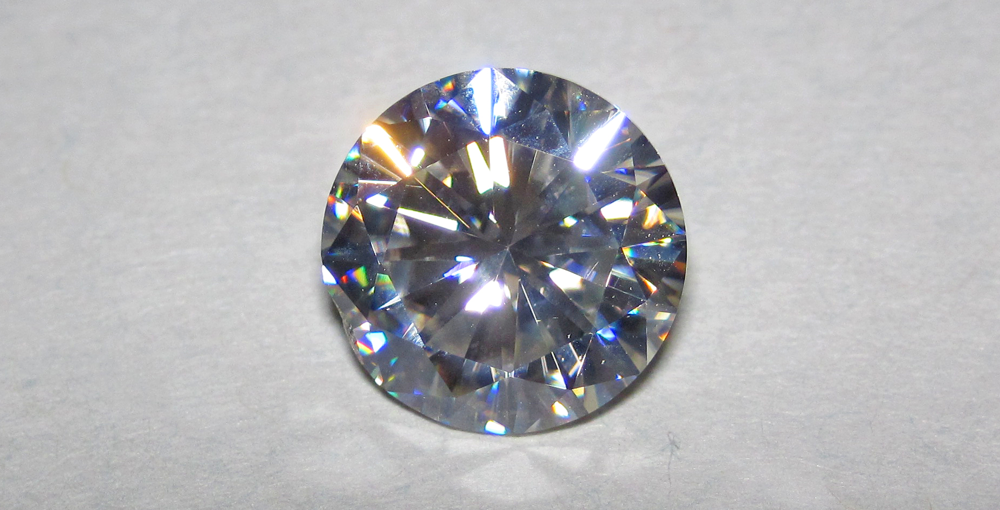
Moissanite is a sparkling gemstone that has taken the jewelry world by storm as a brilliant, affordable, and ethical alternative to diamonds. First discovered over a century ago in a meteor crater by Nobel Prize-winning chemist Dr. Henri Moissan, this mineral (silicon carbide, or SiC) was later named moissanite in his honor.
Natural moissanite is extremely rare, found only in tiny crystals from meteorites, which is why all the moissanite used in jewelry today is laboratory-grown. In this comprehensive guide, we’ll explore what moissanite is, how it compares to diamonds, the variety of moissanite jewelry (rings, earrings, pendants, etc.) available, popular shapes and cuts, how to choose a high-quality moissanite stone, and tips on styling, care, and cleaning your moissanite pieces.
Whether you’re considering a moissanite engagement ring or just curious about this gemstone, read on to learn everything you need to know about moissanite.
Contents
- 1 What Is Moissanite? Origins and Composition
- 2 Moissanite vs. Diamond: How Do They Compare?
- 3 Types of Moissanite Jewelry
- 4 Popular Moissanite Shapes and Cuts
- 5 Choosing a High-Quality Moissanite Stone
- 6 Styling, Care, and Cleaning Tips
- 7 Frequently Asked Questions about Moissanite
- 7.1 How is moissanite made?
- 7.2 Will moissanite get cloudy?
- 7.3 Will moissanite pass a diamond test?
- 7.4 Are moissanite diamonds real?
- 7.5 Can moissanite scratch?
- 7.6 Can moissanite get wet?
- 7.7 Are moissanite diamonds lab-grown?
- 7.8 Who sells moissanite rings?
- 7.9 Which is better: moissanite or lab-created diamonds?
What Is Moissanite? Origins and Composition
Moissanite is a lab-created gemstone composed of silicon carbide – the same compound found in a rare natural mineral form in meteorites. It was first discovered in 1893 when Dr. Henri Moissan examined rock samples from a prehistoric meteor impact in Arizona and found minute shimmering crystals.
Initially mistaken for diamonds due to their appearance, these crystals were later identified as silicon carbide. The gemstone was aptly named “moissanite” to honor Dr. Moissan’s discovery.
Natural deposits of moissanite are practically nonexistent (limited to microscopic grains carried by meteorites), so scientists developed methods in the late 20th century to synthesize moissanite crystals in labs for commercial use.
Lab-grown moissanite has the same chemical makeup and crystal structure as the natural mineral, and it possesses exceptional qualities that make it ideal for jewelry.
Moissanite’s structure is held together by strong covalent bonds (like diamond’s), giving it outstanding hardness and stability. In fact, moissanite is one of the hardest gemstones, rating about 9.25–9.5 on the Mohs scale (second only to diamond which is 10).
It can withstand high pressures up to 52 GPa and does not chip or break easily in everyday wear. This hardness, combined with its high refractive index, is what gives moissanite its brilliant sparkle.
Beyond its physical toughness, moissanite is also prized as an ethical and eco-friendly gem. Because it’s grown in a controlled laboratory environment, moissanite is guaranteed conflict-free and sustainable – there is no mining required and no social or environmental harm involved in its production. This makes moissanite an attractive choice for consumers seeking a “green” or socially conscious gemstone for their jewelry.
Moissanite vs. Diamond: How Do They Compare?
One of the most common questions is how moissanite stacks up against a diamond. Visually, moissanite can look very similar to diamond, fooling even experts at first glance. However, there are key differences in appearance, physical properties, and price that can help you distinguish between the two. Below, we compare moissanite vs. diamond in terms of appearance, hardness & durability, price, and testing/identification:
Appearance and Sparkle
Both diamond and moissanite are loved for their exceptional sparkle, but the character of their sparkle differs slightly. Diamonds exhibit a mix of white light brilliance and some colored flashes (fire). Moissanite, on the other hand, tends to display even more fire – more frequent rainbow-colored flashes – thanks to a higher dispersion value (0.104 vs. diamond’s 0.044).
In simple terms, moissanite can produce a more colorful “disco ball” effect under light. Many people appreciate this extra fire, while others note it as a tell-tale sign distinguishing moissanite from a diamond.
In terms of brilliance (the white light return), moissanite also holds its own. It has a refractive index around 2.65–2.69, which is actually higher than diamond’s 2.42. This means moissanite can reflect more light and appear even more brilliant in certain lighting.
To the naked eye, a well-cut moissanite and a diamond of the same size will both appear extremely sparkly. In fact, without specialized tools, most people find it very difficult to tell a moissanite apart from a diamond. Jewelers often need a loupe to look for specific features or use electronic testers to confirm the identity.
Color-wise, high-quality moissanite gems today are usually near-colorless to colorless, comparable to a diamond in the D–F or G–H color range.
Early generations of moissanite (from decades ago) sometimes exhibited a slight yellow or gray tint, but modern “forever” grades of moissanite are graded on the diamond color scale and typically fall in the colorless range (D, E, F) or near-colorless at worst.
In practical terms, a moissanite will look white to the eye, just like a diamond, especially once set in jewelry.
Both stones can have inclusions, but because moissanites are grown in labs under controlled conditions, they tend to be very high clarity (often VS or better, with no visible flaws). A typical moissanite is “eye-clean,” whereas a diamond of equal clarity might cost significantly more.
It’s worth noting that moissanite is doubly refractive, meaning light splitting in the crystal can cause a double image of facets when you look closely through the stone. Diamonds are singly refractive.
In round brilliant cuts this is hard to notice, but in some moissanite fancy cuts (like emerald or pear shapes), you might detect a faint doubling of facet edges – a subtle indicator of moissanite.
Overall, however, in everyday wear and normal viewing, moissanite’s appearance is strikingly similar to diamond – so much so that it’s become the most popular diamond alternative today.
Hardness and Durability
When it comes to durability for daily wear, both diamond and moissanite are top-tier choices. Diamond is famous as the hardest natural material with a Mohs hardness of 10. Moissanite isn’t far behind – it ranks about 9.25 to 9.5 on the Mohs scale, making it the second-hardest gemstone used in jewelry.
Practically, this means nothing can scratch moissanite except something as hard as diamond. You can confidently wear a moissanite ring every day without worrying about it accumulating scratches (just avoid storing it loose alongside diamonds, since diamonds could scratch it).
In terms of toughness (resistance to chipping or breaking), moissanite also performs excellently. Unlike diamond, which has atomic cleavage planes that can split if struck at certain angles, moissanite has no true cleavage planes. This can translate to a durability advantage – a moissanite may resist chipping better if accidentally knocked.
Both stones, however, are very durable and suitable for engagement rings and other pieces worn daily. Under extreme force, a diamond still has higher overall toughness (lab tests suggest a diamond might handle roughly double the pressure of a moissanite before breaking), but in normal use this difference is not significant.
Chips or cracks in either stone are rare and usually due to severe impacts. In general, you can expect a moissanite jewel to “last forever” much like a diamond, making it ideal for heirloom jewelry.
Price and Value
One of the biggest differences between moissanite and diamond is price. Moissanite offers tremendous value, costing a fraction of an equivalent diamond. For example, a colorless 1-carat diamond might cost $5,000 or more, whereas a 1-carat moissanite costs around $600.
That’s roughly 90% less for a gem that looks remarkably similar! This affordability means you can get a larger stone or a more elaborate piece of jewelry for the same budget if you opt for moissanite.
To put it in perspective, with a $3,000 budget you might afford only a ~0.8 carat mid-quality diamond, but that same budget could buy you an 11 mm moissanite (approx. 5 carat diamond equivalent) – a huge difference in size and wow factor.
Even compared to lab-grown diamonds (which are cheaper than mined ones), lab-grown moissanite is usually more affordable. The lower price is largely because moissanite can be grown faster and in larger quantities, and it isn’t controlled by limited supply or cartels the way diamonds historically have been.
From a value standpoint, moissanite doesn’t have resale value comparable to a diamond (diamonds can sometimes be resold or traded, whereas moissanite’s resale market is smaller).
However, many buyers find that moissanite’s upfront savings and beauty make it a smarter purchase, especially for engagement rings on a budget. You’re paying for the look and durability of a diamond without the hefty price tag.
Plus, moissanite’s ethical advantage (being guaranteed conflict-free and environmentally friendly) adds intangible value for many people. Overall, if you want maximum sparkle for your money, it’s hard to beat moissanite.
Testing and Identification
To the naked eye, telling a moissanite from a diamond is very challenging – which is why moissanite is sometimes used as a diamond simulant or “dupe.” There are, however, a few ways professionals distinguish the two:
- Diamond Testers: Traditional handheld diamond testers work by measuring thermal conductivity. This can misidentify moissanite as diamond because moissanite conducts heat almost as well as diamond does. Newer devices often include a mode to detect moissanite by measuring electrical conductivity (diamonds are electrical insulators, whereas moissanite shows higher electrical conductivity). Jewelers often use dual testers that check both heat and electricity to accurately tell a diamond from moissanite.
- Microscopic Examination: Under 10× magnification, a trained eye can look for the aforementioned birefringence (double refraction) in moissanite. Looking through the crown (top) of the stone at the facets on the opposite side, a moissanite will show a subtle double image of facet lines due to the stone’s doubly refractive nature. A diamond will not have this doubling effect. Also, moissanite might have different inclusions (needles or tubular inclusions from the growth process) compared to typical diamond inclusions, but high clarity moissanites may have no visible inclusions at all.
- Facet Pattern and Cut: Some moissanites are cut slightly differently than diamonds (for instance, the facet junctions in the pavilion of a round moissanite might be ever so slightly different to optimize its brilliance). However, this is quite technical and not obvious without side-by-side comparison. Generally, the average person will not notice cut pattern differences.
In practice, if you see a large, flawless-looking “diamond” with unusually intense rainbow flashes, there’s a chance it could be moissanite. But because visual cues are not definitive, the surest way to know is using a professional tester or certification. Reputable moissanite jewels are often sold with a certificate or laser inscription identifying them as lab-created moissanite to avoid any mix-ups.
The good news is that if you own moissanite jewelry, you don’t have to worry about it “fooling” anyone in a bad way – moissanite proudly stands on its own as a gemstone, with its beauty and durability well recognized. Many jewelers even market it not as a fake diamond, but as a gemstone in its own right that happens to closely resemble diamond.
Types of Moissanite Jewelry
One of the wonderful things about moissanite is that it can be used in all the same types of jewelry as diamonds. From classic engagement rings to modern men’s accessories, moissanite’s versatility and durability make it suitable for just about any adornment. Here we highlight the most popular types of moissanite jewelry and how moissanite is used in each:
Moissanite Rings and Engagement Rings
Moissanite rings are extremely popular, especially for engagements and weddings. A moissanite engagement ring offers the look of a diamond ring without the extraordinary cost, allowing couples to get a larger or higher-quality center stone within their budget.
Moissanite engagement rings come in all styles – from timeless six-prong solitaires to ornate vintage halo designs – and can be found in various metal settings (white gold, yellow gold, rose gold, platinum, etc.) to suit your taste. In fact, many jewelers offer entire bridal collections featuring moissanite as the center stone because demand has grown so much.
For those planning to propose, a moissanite engagement ring provides exceptional brilliance and symbolism, identical in concept to a diamond ring. It’s also a conversation starter for couples who prioritize ethical sourcing, as moissanite is a conflict-free choice.
Wedding bands can also be made with moissanite – for example, moissanite eternity bands with a full circle of sparkling gems, or alternating moissanite and diamond accents for a unique touch. Moissanite wedding bands pair beautifully with both moissanite and diamond engagement rings.
Since moissanite is nearly as hard as diamond, a moissanite ring will hold up to daily wear, and many brides (and grooms) love that they can have a larger stone or more ornate ring design for the price compared to a diamond.
Moissanite is also becoming common in men’s rings – such as men’s wedding bands with moissanite channel-set stones or signet rings featuring moissanite. The gem’s bright sparkle provides a modern, luxurious look in men’s jewelry designs without the premium price of large diamonds.

Moissanite Earrings
Moissanite earrings are a fantastic choice for those who want the brilliance of diamonds for everyday or special-occasion wear. The most popular style is moissanite stud earrings – typically round moissanites set in simple prong settings – which closely resemble diamond stud earrings.
These studs offer incredible sparkle framing the face, and because moissanite is less expensive, you can afford larger stud sizes that would be prohibitively costly in diamonds. For example, a pair of 1-carat total weight moissanite studs (0.5 ct each) might cost only a few hundred dollars, whereas 1 ct each diamond studs would be thousands of dollars.
Many find moissanite studs to be indistinguishable from diamond studs when worn, as both are colorless and brilliant.
Beyond studs, moissanite is also used in dangle earrings, halo earring designs, hoops with moissanite accents, and more. A popular design is a halo stud earring – a center moissanite with a halo of smaller moissanite melee stones around it, mimicking the look of diamond halo earrings.
The durability of moissanite means you don’t have to worry about earrings scratching easily, and they’ll maintain their fire and brilliance over time with minimal maintenance. Whether you wear them alone or alongside a moissanite necklace or ring, moissanite earrings add elegant sparkle for both daily wear and dressy events.
Moissanite Necklaces, Pendants and Chains
Necklaces featuring moissanite range from simple pendants to full-on tennis necklaces. A classic choice is a moissanite solitaire pendant – one round or fancy-shaped moissanite suspended from a chain, resembling the iconic diamond solitaire pendant. This offers a touch of sparkle at the neck and can be worn with anything from casual outfits to formal attire.
Common sizes for moissanite solitaires in pendants are 0.5 to 2 carats, providing a luxurious look without a luxury price. For example, a 1-carat moissanite pendant in white gold will have big sparkle but typically costs under $1000, far less than a 1-carat diamond pendant.
Another trendy option is a moissanite tennis necklace or chain, which is like a tennis bracelet for the neck – a line of matched moissanite stones all around. Moissanite’s affordability makes this style achievable; you can get a full eternity necklace of sizeable stones for a fraction of a comparable diamond piece.
These “moissanite chains” have become popular in both women’s high fashion and men’s hip-hop jewelry scenes, where they’re worn as iced-out statement pieces. The stones are usually set in white gold or sterling silver, and the look is undeniably glamorous.
If you prefer a bit of personalization, moissanite can also be used in initial pendants, crosses, hearts, and other motifs, either as the main stone or as accent stones. Moissanite bezel-set station necklaces (with small moissanites spaced along a chain) are another delicate style that adds sparkle. Essentially, any necklace design that traditionally uses diamonds can be made with moissanites for a similar look.
When choosing a moissanite necklace or pendant, consider the metal color – white metals (silver, white gold, platinum) will enhance the icy-white look of colorless moissanite, while yellow or rose gold will give a warm contrast that can emphasize any faint warmth in near-colorless stones (many actually love the combination of a near-colorless moissanite in yellow gold for a vintage vibe).
Moissanite Tennis Bracelets
The tennis bracelet is a timeless jewelry piece, consisting of a line of identically cut gems linked around the wrist. With diamonds, tennis bracelets are quite expensive, especially in larger carat weights. Enter the moissanite tennis bracelet – which offers the same classic elegance and continuous sparkle at a far more accessible price point. Moissanite tennis bracelets typically feature round brilliant or sometimes oval moissanite stones, each held in a four-prong setting or bezel and linked. They come in various total carat weights (e.g. 5 ct, 10 ct, 15 ct total), and even the very large ones remain relatively affordable compared to diamond versions.
For instance, a 7-inch bracelet with 3 mm round moissanites (approx. 0.10 ct each stone, ~10 carats total) might cost only a few thousand dollars or less, whereas a diamond bracelet of similar specs would be tens of thousands. The continuous line of moissanite gems flashes with every movement of the wrist, making this a show-stopper accessory. It’s common to find moissanite tennis bracelets set in 14k white gold or sterling silver. Thanks to moissanite’s hardness, the stones in a bracelet won’t easily scratch despite brushing against surfaces in daily wear – though as with any fine bracelet, some care is advised to avoid rough activities while wearing it.
Beyond the classic tennis line style, moissanite can also be used in bangle bracelets with channel-set moissanites, cuff bracelets with moissanite accents, or charm bracelets with moissanite-studded charms. The tennis style, however, remains the most popular way to showcase moissanite on the wrist, giving maximum sparkle.
Moissanite Watches, Grillz and Men’s Jewelry
Moissanite has even made its way into specialized jewelry categories and men’s fashion. In the world of luxury watches, some jewelers are creating “iced-out” watches using moissanite stones instead of diamonds. These moissanite watches feature dozens or hundreds of tiny moissanites pavé-set in the bezel, dial, and bracelet of the watch to create a fully sparkling timepiece.
Originally popularized in hip-hop culture with diamond “bust down” watches, using moissanite makes this ultra-luxury look much more attainable. Brands advertise using top-grade colorless moissanite in their iced watches, often cut to ideal proportions for maximum shine.
The result is a dazzling watch that can pass a diamond tester (since moissanites register similar to diamonds on thermal tests) and showcases serious bling, all while costing a fraction of a genuine diamond-set watch. Moissanite-encrusted watches are typically aftermarket customizations of watch styles and are geared towards those who love bold, eye-catching jewelry.
Another niche use of moissanite is in grillz – decorative teeth caps popular in hip-hop and pop culture. Moissanite grillz have become a hot trend for those wanting the flashy “diamond grill” look. Jewelers can create custom-fit gold grillz and set them with numerous small moissanite stones for a fraction of the price of natural diamonds.
Each stone still shines bright, and moissanite’s durability is a benefit here as well. According to custom grill makers, moissanite stones are “nearly as durable but with even greater brilliance” than diamonds at a fraction of the cost, making them perfect for this application.
The fact that moissanite is lab-made and consistent in quality (D color, VVS clarity) also means every stone in the grill will match and give a coherent shine. So if you see a celebrity flashing a mouthful of impeccably white, sparkling stones – there’s a good chance moissanite could be behind that smile!
Aside from watches and grillz, moissanite is increasingly found in men’s jewelry generally. Men’s moissanite stud earrings are popular as a stylish and affordable substitute for diamond studs. Moissanite chains and pendants (like dog tag pendants or cross pendants with moissanite) offer men a way to wear noticeable bling without the steep cost. Men’s fashion rings, pinky rings, and even cufflinks can feature moissanite accents for a touch of sparkle.
The appeal for men’s pieces is the same: you get the extravagant look of large diamonds without worrying about the price or the source. And since moissanite tests as diamond in basic testers, it even carries that novelty of “passing” as a diamond if someone checks – though most proudly choose moissanite for what it is. In short, moissanite men’s jewelry is a growing market, from casual everyday pieces to statement items, proving that this gem isn’t just for engagement rings.
Popular Moissanite Shapes and Cuts
Like diamonds and other gemstones, moissanite can be cut into all the popular shapes to suit different style preferences. Whether you favor a classic round or a distinctive fancy shape, you’ll find moissanites available in that cut. Here are the top shapes and cuts for moissanite:
- Round Brilliant: The round cut is by far the most popular for moissanite (just as it is for diamonds). A round brilliant moissanite is cut with 58 facets for optimal light return, giving it intense sparkle and fire. This cut maximizes brilliance and also tends to mask any body color, appearing very white. If you want the sparkliest option, round is the top choice.
- Oval Cut: Oval moissanites have an elegant, elongated shape that flatters the finger or neckline. Ovals exhibit great brilliance similar to rounds, but with a larger face-up appearance (they look bigger for the same carat weight). They are a popular choice for moissanite engagement rings, offering a blend of vintage charm and modern popularity. Ovals may show a “bow-tie” (a subtle shadow across the middle) if not well-cut, so choose a quality cut.
- Emerald Cut: Emerald-cut moissanites are cut in a step-cut fashion with long parallel facets. This cut highlights clarity and gives a hall-of-mirrors effect rather than scintillating sparkle. An emerald cut moissanite will have a more subtle, sophisticated shine with flashes of light, and any slight tint in the stone might be slightly more visible due to the broad facets. It’s a great choice for those who love an elegant, transparent look. Moissanite’s high clarity is a plus here – most emerald-cut moissanites will be eye-clean and stunning.
- Princess Cut: The princess cut is a square brilliant cut, pointed corners and lots of sparkle. Princess-cut moissanites are brilliant and fiery, second only to rounds in terms of overall brilliance. They make for lovely solitaire rings or stud earrings. Because princess cuts have sharp corners, ensure your setting protects them; moissanite is hard, but any sharp gemstone corner can chip if hit. In general, though, princess moissanite rings are durable and vibrant.
- Pear Cut: The pear (teardrop) shape is a hybrid of oval and marquise shapes, with one pointed end and one rounded end. Pear moissanites are popular in pendants and rings for a unique, feminine look. They tend to elongate the look of the finger or neck. A well-cut pear moissanite will display brilliant sparkle; like ovals, pears can also show a slight bow-tie shadow if not ideally cut. Many find pear-shaped moissanite engagement rings especially romantic and distinctive.
- Marquise Cut: Marquise moissanites have a long, football-like shape with pointed ends. This vintage-favorite cut maximizes the perceived size – a marquise has one of the largest crown surface areas for a given carat weight. A marquise moissanite set lengthwise on a ring gives a dramatic, elongated look. They will have a bow-tie effect if cut poorly, so quality is key. Marquise shapes fell out of fashion for a while but are regaining interest, and moissanite marquises can be stunning as center stones or side stones.
- Cushion Cut: Cushion moissanites are square or rectangular with rounded corners and large facets. They combine some brilliance with a softer, romantic appearance. Cushion cuts have been very popular for moissanite, often chosen for halo engagement ring designs or vintage-inspired styles. They can show a bit more fire (colored light) due to their facet pattern, which works well with moissanite’s high dispersion.
- Radiant Cut: Radiant moissanites are rectangular or square with clipped corners, combining the elegant outline of an emerald cut with a brilliant-cut facet arrangement. They are very brilliant and a great option if you want a rectangular shape with more sparkle than an emerald cut.
- Asscher Cut: The asscher is a square step-cut (essentially a square emerald cut). Asscher-cut moissanites have a deep pavilion and cropped corners, giving a kaleidoscopic “hall of mirrors” effect when looking straight down. They exude Art Deco vintage charm. As with other step cuts, prioritize a high clarity moissanite for asschers – fortunately most moissanites are VVS–VS clarity by default.
- Heart Shape: For the romantics, moissanite can also be cut into heart shapes. A heart-cut moissanite sparkles beautifully and makes a wonderful statement piece or promise ring. The cutter’s skill is very important here to get a well-defined cleft and symmetrical lobes in the heart. Heart shapes aren’t as common in moissanite as other shapes, but they are available for those who want that extra romantic flair.
In summary, moissanites are offered in virtually every gemstone shape: round, oval, cushion, pear, emerald, princess, marquise, radiant, asscher, heart, and more. Each shape has its unique appeal, but all will display moissanite’s trademark brilliance.
When choosing a shape, consider personal style and also what you’ll be using it for (e.g., round and princess are great for stud earrings due to symmetry, while a pear or marquise pendant can hang elegantly). Also keep in mind that cutting standards can vary by shape – it’s wise to buy from a reputable source so that your moissanite has an excellent cut and symmetry, ensuring optimal beauty.
Choosing a High-Quality Moissanite Stone
Thanks to the controlled way moissanites are grown, most on the market are already good quality. That said, there are still grades and variations, so understanding moissanite quality indicators will help you pick the best stone for your needs. Here are the main factors (the “Four Cs” and more) to consider:
- Color Grade: Moissanites are graded on a color scale similar to diamonds, from D (completely colorless) down to K (faint color) for gem purposes. For the brightest, whitest sparkle, look for “colorless” moissanite graded D, E, or F.
These will appear icy-white in any metal. The next tier is near-colorless (G, H, I) which may show a very subtle warmth in certain lighting or when placed next to a pure D color, but still look essentially white to most eyes.
Some older or lower-cost moissanites might be J or K color, which have a light warmth/yellow; these can still be beautiful, especially in yellow or rose gold settings that mask the tint. Not all moissanite sellers explicitly label color grades, but many use proprietary names: for example, Forever One (by Charles & Colvard) or “DEF color” labels indicate colorless stones, whereas Forever Brilliant or “GH color” indicates near-colorless.
For engagement rings, most people prefer the colorless grades for maximum brilliance, but if budget is tight, near-colorless moissanites can offer a great value and the warmth is often negligible. All moissanites are free of the strong yellow/brown tints you might see in low-grade diamonds – they’re at worst in the near-colorless range. If you’re extremely color-sensitive or pairing moissanite alongside diamonds, opt for the top color grade. - Clarity: Lab-grown moissanites tend to have high clarity. The average clarity of moissanite is roughly equivalent to VS on the GIA diamond scale, meaning even under 10× magnification, inclusions are minimal and difficult to spot. Most moissanites sold for jewelry are “eye-clean,” with no imperfections visible to the naked eye. Common inclusions, if present, might be tiny needle-like or pinpoint crystals. When choosing, it’s safe to stick with vendors who specify the stone is eye-clean or lists a clarity of VS or better. Some top-tier moissanites are even VVS or IF (virtually flawless).
The good news is you usually don’t pay a huge premium for higher clarity in moissanite the way you would for a diamond – the vast majority are already high clarity. Just avoid any bargain-basement stones that might be off-spec. Inspect your stone (or ask for a video) to ensure it doesn’t have any noticeable haziness or large inclusion. But in general, clarity is a less worry with moissanite; as one jeweler notes, “the average moissanite is equivalent to VS clarity…very difficult to detect impurities even under a jeweler’s loupe”. - Cut Quality: Cut is crucial for unleashing moissanite’s brilliance. A well-cut moissanite will sparkle fiercely; a poorly cut one might leak light or have a window. Look for stones described as Excellent or Ideal cut. Most reputable brands facet their moissanites with precise angles to maximize light return. For example, round moissanites often have ideal proportions similar to ideal-cut diamonds. Some brands even offer “Hearts & Arrows” cut moissanites which show the hearts and arrows pattern indicating superior symmetry. Fancy shapes should also be well-cut (no off-center culets, minimal bow-tie in ovals, etc.).
Because moissanite has different optical properties than diamond, some cuts are adjusted slightly – trust known moissanite manufacturers who have refined their cutting for each shape. If you can, examine how the stone handles light (either in person or via video): it should be lively and brilliant with no dead spots. Avoid moissanites that appear too shallow or too deep, as they might not perform as well. All Charles & Colvard and other premium moissanites are hand-cut by master cutters to optimal proportions, so buying from these sources can assure quality. - Carat (Size): Moissanite is about 15% less dense than diamond. This means a moissanite will weigh less than a diamond of the same size. For example, a round 6.5 mm moissanite (the typical size of a 1 ct diamond) actually weighs around 0.83–0.85 carats. Jewelers often list moissanite by millimeter dimensions or by diamond equivalent weight (DEW) to avoid confusion.
When choosing, focus on the millimeter size that fits your preference and setting. If you see a moissanite advertised as “1 carat (DEW)”, that usually means it’s the size of a 1 ct diamond (around 6.5 mm), even though its actual weight is ~0.9 ct. The important thing is the visual size – and with moissanite’s affordability, you may be able to go bigger in size than you initially thought! Just ensure your ring setting or pendant is designed for that mm size. - Brand and Certification: While moissanite is no longer under patent (since 2015, many companies grow it), some established brands are known for consistent quality. Charles & Colvard (the original patent holder) offers Forever One moissanites that are D-F color and excellent cut. Other respected names include Harro Gem, NEO, Amora Gem, Supernova, Miseno and more – each with their own twist, but generally offering top-grade stones.
If you prefer, you can also find certified moissanites graded by independent gem labs (like GIA or IGI have on occasion graded moissanite for color/clarity). Certification isn’t as common as it is for diamonds, but some larger moissanites come with a grading report. At the very least, ensure any stone you buy comes with a authenticity certificate that it is a lab-created moissanite of stated specifications.
Buying from a reputable jeweler with good reviews is key – they will curate high-quality stones. Avoid deals that seem too good to be true from unknown sources, as lower grade moissanites (with off-colors or haziness) might be floating around from less meticulous manufacturers. - Enhancements: The vast majority of moissanites are not treated or enhanced (beyond being cut and polished). However, there have been some treatments like coating a moissanite to improve color. A well-known example is “Mystic Moissanite” which had a coating to make it D color. Coatings can wear over time, so it’s generally advisable to stick with unenhanced stones that are inherently the color and quality you want. Modern colorless moissanites achieve their whiteness through improved growing processes rather than coatings.
Overall, to choose a great moissanite: aim for a colorless (or near-colorless) stone, eye-clean clarity, excellent cut, from a reputable source. The good news is even a standard quality moissanite will usually meet these criteria. By doing a bit of homework on the 4 Cs, you can ensure your moissanite will be indistinguishable from the finest diamonds to all but the trained eye – and even then, it might shine more!
Styling, Care, and Cleaning Tips
Moissanite jewelry is not only beautiful and durable, but also fairly low-maintenance. It’s a gemstone that you can truly live in. Here are some tips on how to style your moissanite pieces and keep them looking their best for years to come:
Styling Moissanite Jewelry
- Mix and Match: Don’t hesitate to mix your moissanite jewelry with other pieces. A moissanite engagement ring can be paired with a diamond wedding band, or vice versa – their visual compatibility is excellent. Moissanite earrings or pendants can complement diamond or colored stone pieces as well. The gem’s neutral color and high sparkle allow it to blend seamlessly with any jewelry wardrobe.
- Metals and Settings: Moissanite, being colorless, looks wonderful in white gold or platinum settings which emphasize its icy sparkle. This combination gives a very diamond-like appearance (indeed, many assume it is diamond). In yellow gold or rose gold, moissanite takes on a warm, rich character – any very slight hint of color in the stone is masked by the warm metal, and the contrast makes the stone “pop.” Vintage or antique-style settings with moissanite can look stunning, because moissanite’s fire adds a lively touch to classic designs. Whether your style is modern minimalist or ornate vintage, there’s a moissanite setting to match.
- Casual to Formal Wear: One great aspect of moissanite jewelry is its versatility. Moissanite studs or a simple pendant can be daily staples, adding a bit of luxe to a casual outfit like jeans and a tee. On the flip side, dramatic moissanite pieces (like a tennis necklace or big cocktail ring) can hold their own at the most formal events. If you love “bling” for special occasions, you can layer on moissanite necklaces, bracelets, and big earrings without the worry of an astronomical price tag – achieve a red-carpet look on a realistic budget.
- Men’s Style: For men, moissanite offers a way to wear diamonds’ allure in a more carefree manner. Consider a moissanite stud in one ear, a moissanite pinky ring, or a flashy moissanite-encrusted watch to elevate your style. These pieces can go from streetwear to suits. A pair of small moissanite stud earrings can add subtle class, while a large moissanite ring or moissanite grillz make bold statements. Tailor the size and design of the piece to your personal style – the same rules of proportion and occasion that apply to diamonds apply to moissanite.
- Engagement & Bridal Style: If you have a moissanite engagement ring, you can proudly treat it just as any diamond ring. It pairs nicely with diamond-accented wedding bands, moissanite bands, or plain metal bands. On your wedding day, you might coordinate by wearing moissanite earrings or a necklace to echo the ring’s sparkle. One idea brides love is gifting bridesmaids moissanite jewelry (like a delicate pendant or earrings) so everyone gets a beautiful sparkle that ties together, and it’s a gift far more affordable than its diamond equivalent.
In short, style your moissanite jewelry with confidence. Its brilliance and beauty stand on their own. Most people seeing it will simply think you have exquisite taste in jewelry – they likely won’t know it’s moissanite unless you choose to tell them. And if they do know, they’ll likely be impressed by the savvy choice!
Care and Cleaning of Moissanite
One of the perks of moissanite is that it doesn’t require fuss. It’s almost as hard as diamond and doesn’t have special care requirements. However, like any fine jewelry, some simple maintenance will keep it gleaming. Here’s how to care for your moissanite pieces:
- Regular Cleaning: Over time, any gemstone (even diamonds) can get a film of dirt, oils, or product residue that dulls its sparkle. The good news: moissanite does not get cloudy or lose its brilliance permanently – any dullness is just surface buildup and can be cleaned off. The easiest way to clean moissanite jewelry is at home with warm water and mild soap. Simply prepare a small bowl of lukewarm water with a few drops of dish soap or gentle detergent. Soak your ring or jewelry for a few minutes, then use a soft toothbrush to gently scrub the stone and setting, especially in crevices where grime accumulates. Rinse under clean water (plug the drain if you’re at a sink!), and dry with a soft lint-free cloth. This will restore the gem’s full sparkle. Do this as needed – some do it weekly, others monthly, depending on how often you wear the piece. If you notice the stone looking a bit dull, a quick soap-and-water bath will fix it.
- Avoid Harsh Chemicals: While moissanite itself is very stable (it won’t be harmed by most chemicals), the metal mounting or any softer accent gems (if you have any) might not be. So it’s best to remove moissanite jewelry before using bleach, harsh household cleaners, or swimming in chlorinated pools, as these chemicals can attack gold alloys or cause buildup on the stone. Likewise, avoid abrasive cleaners on the metal as they could scratch gold or platinum. Stick to the mild soap method or use a jewelry cleaning solution that is labeled safe for gemstones. If using a store-bought jewelry cleaner, follow its directions and ensure it’s safe for both the metal and the stone.
- Polishing and Ultrasonic: Moissanite is tough enough to handle ultrasonic cleaners and steam cleaners, similar to diamonds. Many jewelers offer free professional cleaning – you can take your moissanite pieces in for a quick ultrasonic clean and steam, and they’ll come out sparkling like new. This is especially helpful for rings with intricate settings that trap dirt. Ultrasonic vibration shakes loose debris effectively (though if your piece has other gemstones, ensure they can handle it – e.g. do NOT ultrasonic opal, emerald, etc., but moissanite itself is fine). If you don’t have access to that, the manual method described earlier works very well.
- Daily Care Habits: To keep moissanite jewelry at peak shine, wipe it down after wear with a soft cloth. For example, you can keep a microfiber cloth handy and give your ring or pendant a quick wipe each night to remove skin oils. It takes seconds but helps prevent buildup. Another tip: put on jewelry after applying lotions, perfumes, or hairspray, as these products can leave residues on stones.
- Storage: Store your moissanite pieces in a jewelry box or pouch when not wearing them. Although moissanite is extremely scratch-resistant, storing multiple pieces jumbled together can risk the metals scratching each other or harder stones scratching softer ones. Ideally, keep each piece separate or in its own compartment. For instance, moissanite earrings can be kept in their box, rings in a ring slot, etc. If you have moissanite loose stones, keep them individually wrapped. Also, as with any fine jewelry, store them in a cool, dry place away from direct sunlight or extreme heat when you’re not wearing them (though note: moissanite is very heat-resistant compared to diamond – it can handle temperatures that would cause diamonds to oxidize – but your metal settings and any adhesives like watch glue may not).
- Maintenance Checks: Occasionally (perhaps once a year), inspect your moissanite jewelry for any issues with the setting – e.g. loose prongs or clasps. While the stone will last a lifetime, the metal holding it might wear down over decades. If you notice prongs catching or a stone slightly rattling, take it to a jeweler to be tightened. This is standard practice for rings especially. Moissanite’s toughness means it can usually be reset or tightened without trouble (it can withstand the heat of soldering if needed much like diamond, though it may exhibit temporary color change when heated, it returns to normal on cooling).
In summary, moissanite is an easy-care gem. Keep it clean with occasional gentle washing, protect it from hard knocks or harsh chemicals, and it will remain just as dazzling as the day you got it. Unlike some gems, it does not require babying or special conditions – part of its appeal is that you can wear it daily with confidence. Many owners report that their moissanite stays just as bright over the years with minimal effort (just routine cleaning) and doesn’t develop the “cloudy” look that some diamond simulants (like cubic zirconia) do over time. Moissanite’s enduring sparkle is one of the reasons it’s beloved for engagement jewelry intended to last a lifetime or more.
Moissanite has truly earned its place as a modern marvel in the jewelry industry – offering phenomenal sparkle, durability, and value, all without compromising ethics or breaking the bank. It originated from the stars (literally, in a meteor) and now graces the rings, earrings, and necklaces of people around the world who appreciate its beauty. Whether you choose a moissanite engagement ring for its radiance and significance, a pair of moissanite studs for daily glamour, or any other moissanite jewelry, you can be confident you’re getting a gemstone that delivers on all fronts: appearance, performance, and conscience. This guide has covered moissanite from origin to care, giving you the full picture of what makes this gem special. As you explore the dazzling array of moissanite rings, earrings, pendants, tennis bracelets, chains, and more, you’ll see why many call moissanite “the jewel of the future” – it is indeed a wizard of jewelry in its own right, ready to enchant a new generation of jewelry lovers.
Frequently Asked Questions about Moissanite
How is moissanite made?
Natural moissanite is extremely rare, originally discovered in a meteor crater. Because of this rarity, nearly all moissanite used in jewelry today is lab-created. Scientists grow it using advanced processes like the thermal growing method, which forms crystals of silicon carbide (SiC) under controlled high-heat conditions. The result is a durable, brilliant gemstone with its own unique sparkle and rainbow fire.
Will moissanite get cloudy?
No — moissanite does not get cloudy over time. It’s made of durable silicon carbide, which keeps its brilliance and fire. Any dullness is typically just buildup of oils or dirt and cleans off with warm soapy water and a soft brush.
Will moissanite pass a diamond test?
Often yes with basic heat-based testers, since moissanite conducts heat similarly to diamond. However, dual testers that check both thermal and electrical conductivity (or dedicated moissanite testers) will distinguish between them.
Are moissanite diamonds real?
Moissanite is a real gemstone, but it is not a diamond. Moissanite is silicon carbide; diamonds are pure carbon. It’s a popular diamond alternative thanks to its brilliance, durability, and value.
Can moissanite scratch?
Moissanite is extremely durable at about 9.25 on the Mohs scale (diamond is 10), so it’s highly resistant to scratching and great for everyday wear. No gemstone is indestructible, but moissanite is among the toughest.
Can moissanite get wet?
Yes, water won’t harm moissanite or its sparkle. Just avoid prolonged exposure to harsh chemicals that can leave a film. Rinse with warm water and mild soap, then dry with a soft cloth.
Are moissanite diamonds lab-grown?
Yes — all jewelry moissanite is lab-grown. Natural moissanite is super rare, so crystals are created in controlled conditions from SiC. While sometimes called “moissanite diamonds” in marketing, moissanite is not a diamond; it has its own look and fire.
Who sells moissanite rings?
Trusted online jewelers include:
- Brilliant Earth — ethical sourcing and customizable moissanite engagement rings.
- Leibish & Co. — luxury jeweler offering moissanite and fancy colored gemstones.
- James Allen — 360° HD viewing and extensive setting options.
Compare stone quality, return/warranty, and metal purity (14K/18K gold or platinum) before you buy.
Which is better: moissanite or lab-created diamonds?
It depends on your priorities. Moissanite (SiC) shows more rainbow fire, costs less, and is very durable (~9.25 Mohs). Lab-created diamonds are real diamonds (pure carbon) with the classic diamond look, the highest hardness (10 Mohs), traditional grading (e.g., GIA/IGI), and typically stronger resale recognition.
Choose moissanite if you want: maximum sparkle/fire, a larger look for your budget, and excellent durability.
Choose a lab diamond if you want: the classic diamond appearance, top hardness with traditional grading, and better brand recognition/resale expectations.
Sources:
Wikipedia – Moissanite Article
American Gem Society – History of Moissanite
International Gem Society – Moissanite vs Diamond Comparison