
Contents
- 1 What Is Turquoise?
- 2 History of Turquoise
- 3 Turquoise Color and Varieties
- 4 Turquoise Jewelry: Timeless Style
- 5 Turquoise Jewelry for Women and Men
- 6 Native American Turquoise Jewelry
- 7 Meaning and Symbolism of Turquoise
- 8 How to Care for Turquoise Jewelry
- 9 Turquoise Color in Fashion
- 10 The Enduring Appeal of Turquoise
What Is Turquoise?
Turquoise is an opaque, blue-green gemstone that has captivated humans for millennia. It is a hydrous phosphate of copper and aluminum – a unique mineral composition that gives turquoise its vibrant color. The presence of copper in the stone produces a striking turquoise blue hue. Iron impurities can add a hint of turquoise green to its tone.
This gemstone typically forms in arid regions as veins or nodules within host rocks. High-quality turquoise is relatively rare. It has been treasured in jewelry and ornamental objects throughout history due to its brilliant color and spiritual allure.
Turquoise is moderately soft compared to many gemstones. It ranks about 5 to 6 on the Mohs hardness scale – a bit softer than window glass. This means the stone can be scratched by many harder gems. It also has a porous, waxy texture rather than a glossy sparkle.
Despite its lower hardness, turquoise jewelry takes a good polish and displays a distinctive waxy luster. The name “turquoise” comes from the Old French pierre tourques, meaning “Turkish stone.” Europeans first received this gem from Turkish traders centuries ago. From its chemistry to its history, turquoise stands out as a truly unique gem in the jewelry world.
History of Turquoise
Turquoise boasts one of the oldest documented histories of any gem. Ancient Egyptians mined turquoise in the Sinai Peninsula and adorned themselves with turquoise jewelry as far back as 3000 BCE. Notably, Pharaoh Tutankhamun’s burial mask was inlaid with turquoise, symbolizing both royalty and protection. In Persia (modern-day Iran), turquoise stone was cherished for its pure sky-blue color.
This prized “Persian blue” gem was used to decorate palaces and mosques. Persian royalty even accumulated vast reserves of the gem. Historical records note that one ruler squandered decades’ worth of mined turquoise dust in lavish displays.
Across the ocean, pre-Columbian cultures in the Americas also held turquoise in high esteem. For example, the Aztecs valued turquoise (called chalchihuitl in Nahuatl) even more than gold. They crafted elaborate mosaics and ceremonial masks adorned with this stone.
In the southwestern United States, Native American tribes have mined and used turquoise for well over a thousand years. Turquoise was a ceremonial gem and even a form of currency for tribes like the Navajo and Pueblo peoples. Early Spanish explorers and traders in the Americas encountered turquoise ornaments and quickly recognized their value.
This East-to-West introduction is reflected in the gem’s name, meaning “Turkish stone.” Over the centuries, turquoise continued to be revered across many cultures. It became the national gemstone of Tibet and a staple of Native American jewelry. Even today, it remains beloved worldwide for its beauty and storied past.
Turquoise Color and Varieties
One of the most fascinating aspects of turquoise is its range of colors and patterns. The gem’s color can vary from a pure turquoise blue (robin’s egg blue) to sea-green and even greenish-yellow tones. The bluer specimens contain more copper, whereas more green turquoise indicates the presence of iron replacing some of the aluminum in the crystal structure.
Many turquoise stones also feature matrix – the dark brown, tan, or black host rock veins running through the gem. These spiderweb-like patterns of brown or black matrix create beautiful contrast and give each stone unique character. Collectors often prize turquoise with an intricate “spiderweb” matrix or with a high polish showcasing both blue and brown elements.
Turquoise is found in only a few regions of the world, and each source produces material with its own signature look. Below are some notable varieties of turquoise and their characteristics:
- Persian Turquoise (Iran): Renowned for its uniform, sky-blue color with minimal veining. Persian turquoise (mined in Neyshabur, Iran) sets the standard for the classic vivid blue hue and was highly sought after by ancient royals. Fine Persian stones are typically free of matrix, giving a pure robin’s egg blue that jewelry lovers adore.
- American Turquoise (Southwestern USA): Found in Arizona, Nevada, New Mexico, Colorado and neighboring areas, American turquoise shows a wide spectrum from bright blue to blue-green and even olive tones. Each mine’s output is distinct. For example, the famous Sleeping Beauty Mine in Arizona produced soft powder-blue turquoise with no matrix, similar in appearance to Persian material.
The Kingman Mine (also in Arizona) is known for bright blue turquoise with black or metallic matrix. Nevada’s Royston mines yield stones with rich green-blue hues and golden brown veining. Much turquoise jewelry for women and men in the U.S. features these Southwestern stones, often set in sterling silver. - Chinese Turquoise: Mined for over two thousand years (notably in Hubei Province), Chinese turquoise generally has a greenish-blue to light green color. Due to its lower copper content and higher iron content, it tends to be more green.
Chinese turquoise often has black, brown, or yellow matrix, distinctly different from Persian and American types. These stones are typically more porous and are commonly stabilized for use in jewelry. Chinese turquoise has been used in Chinese art and even traditional medicine, and it symbolizes wealth and prosperity in that culture. - Egyptian Turquoise: Egypt’s Sinai Peninsula provided turquoise to the ancient world, dating back to the First Dynasty. Egyptian turquoise ranges from blue to bluish green and often shows dark brown or black veining due to iron compounds. Ancient Egyptians valued turquoise for its protective qualities, adorning pharaohs and sacred objects with this vibrant stone. The enduring image of turquoise inlaid in Tutankhamun’s golden mask exemplifies its importance in Egyptian heritage.
No matter its origin, turquoise is unmistakable due to its brilliant hue. In fact, “turquoise” is the only gemstone that has an official color named after it. When someone mentions the color turquoise, we immediately envision that cheerful blue-green tint reminiscent of tropical waters and clear skies. This distinctive hue ensures that even small turquoise beads or cabochons stand out strikingly in jewelry designs.
Turquoise Jewelry: Timeless Style
The use of turquoise in jewelry is truly timeless and widespread. Artisans have incorporated this stone into nearly every type of adornment. Whether polished into a smooth cabochon or cut into freeform beads, turquoise brings a pop of vivid color and earthy charm to jewelry. Here are some popular forms of turquoise jewelry and their appeal:
Silver rings set with vivid turquoise stones showcase the gem’s beautiful turquoise blue color and opaque texture. Turquoise rings are popular for both women and men due to their vibrant presence. In these designs, the stone takes center stage, complemented by the shine of silver.
- Necklaces and Pendants: A turquoise necklace can be a bold statement or a subtle accent depending on the design. Southwestern Native American necklaces often feature multiple turquoise stones and are highly valued.
One famous example is the iconic squash blossom necklace with its crescent-shaped naja pendant. Simpler styles include single turquoise pendants on a chain or strands of turquoise beaded necklaces for a bohemian look. The vibrant blue-green against metal (often sterling silver or even gold) draws the eye and complements a range of outfits. - Rings: Turquoise rings are worn by both women and men and are especially popular in boho and Western fashion. The stone’s opaque glow looks stunning in rings – from delicate feminine designs to large unisex cocktail rings.
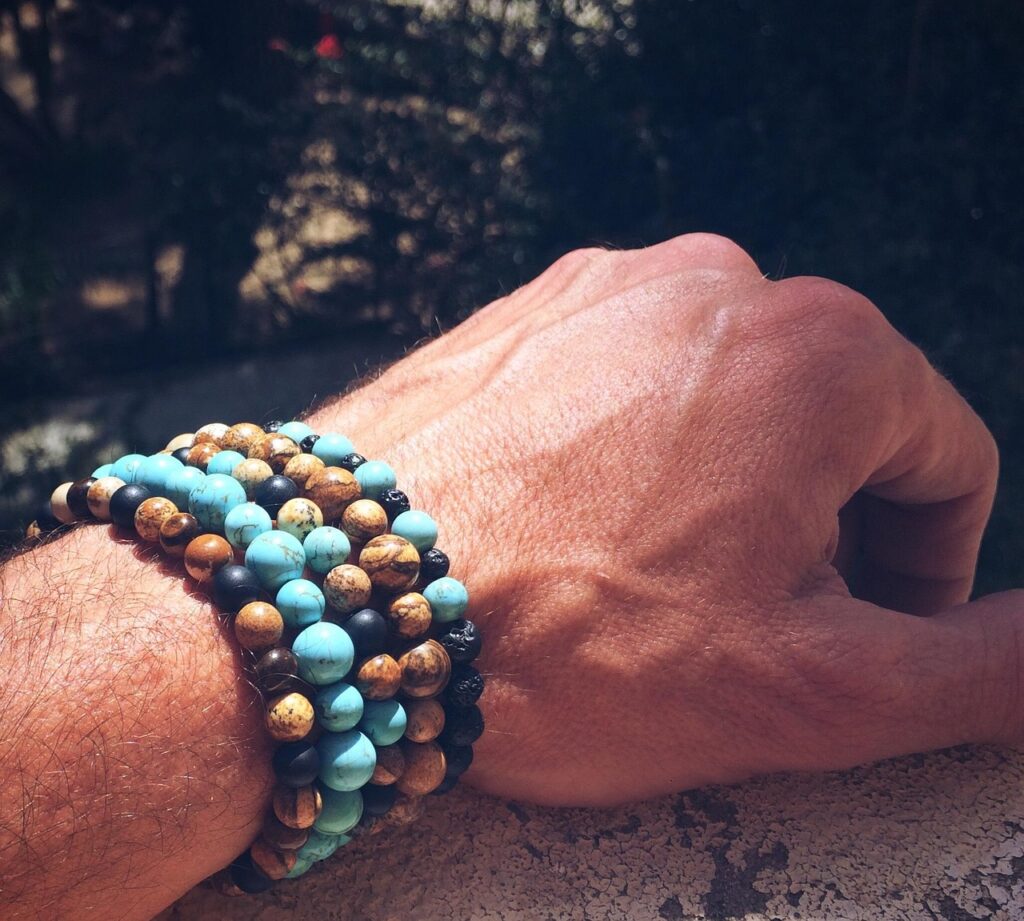
Vintage Native American rings often showcase an oval or teardrop turquoise set in silver with hand-tooled bezels. Modern designers also pair turquoise with diamonds or other gems for unique styles. Some even create turquoise engagement rings for those seeking a non-traditional, colorful centerpiece. - Bracelets and Cuffs: Turquoise shines in wrist wear, from smooth bead bracelets to chunky cuff bracelets. A turquoise bracelet might consist of round beads accented with silver spacers, creating a casual beachy vibe.
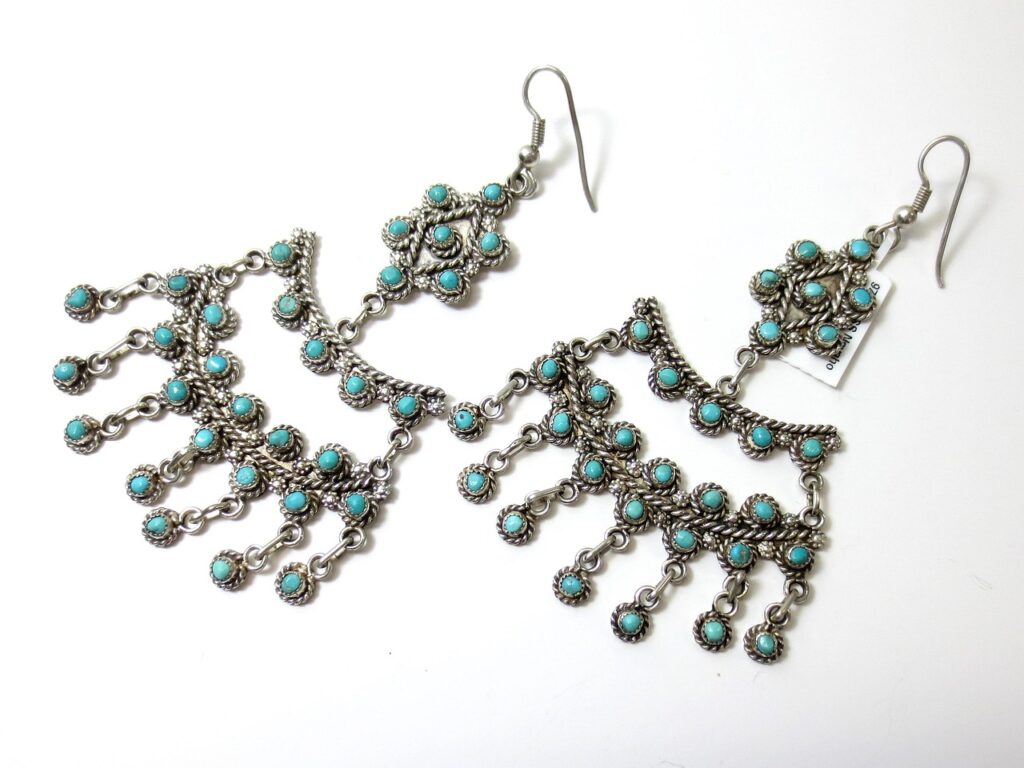
In Native American craftsmanship, wide silver cuffs inlaid with turquoise mosaics or clusters of turquoise cabochons are enduring classics. The contrast of turquoise and sterling silver in a cuff bracelet exudes a bold, earthy elegance. - Earrings: Turquoise earrings range from petite studs to dramatic dangles. For everyday wear, turquoise stud earrings add a subtle pop of color on the earlobes. They can complement almost any attire. Larger chandelier or drop earrings often combine turquoise with feathers, beads, or other stones for a bohemian flair.
Because turquoise is lightweight compared to many gemstones, even bold earrings remain comfortable to wear. The stone’s color flatters most skin tones, making turquoise earrings a favorite accessory for many women. - Other Accessories: Turquoise also features in distinctive accessories, especially in Western and Native American fashion. Belt buckles decorated with slabs of turquoise or inlaid designs are popular statement pieces. A turquoise belt buckle can turn a simple leather belt into a standout accessory.
The bolo tie, a traditional Western necktie, often has a decorative turquoise centerpiece. It’s so emblematic in the Southwest that the bolo tie is recognized as the official state neckwear of Arizona and New Mexico. Likewise, turquoise-set cross necklaces are worn as both a faith symbol and a fashion statement. They blend spiritual meaning with natural beauty. From watchbands to hairpins, a touch of turquoise can elevate accessories with its vivid hue and cultural flair.
Turquoise Jewelry for Women and Men
Turquoise may be a colorful gemstone, but it is by no means limited to one gender’s style. In fact, the stone’s versatility has made it a unisex favorite in jewelry. Turquoise jewelry for women often highlights elegance and vibrancy.
For example, many women wear a turquoise pendant necklace to brighten up a casual outfit. Others choose a refined pair of turquoise earrings with an evening dress for a pop of color. The gem’s joyful color is especially popular in spring and summer fashions.
It’s not uncommon to see bridesmaids wearing matching turquoise dresses or jewelry for a bohemian wedding theme. Some brides even choose a turquoise wedding ring as a unique alternative to the traditional diamond. It’s a bold way to infuse personal style and color into a bridal set.
Men also proudly wear turquoise as part of a rugged or artistic look. Turquoise jewelry for men frequently appears in Western-inspired accessories and Native American designs. For example, many men wear hefty sterling silver rings with turquoise stones.
These turquoise rings for men have a bold presence and often feature masculine motifs like arrows or bear claws in the metalwork. Men who enjoy cowboy or Southwestern fashion might add a turquoise-adorned bolo tie or a belt featuring a striking turquoise buckle. Either accessory instantly infuses an outfit with Western flair.
Even simple pieces like a tie tack or cufflinks can feature turquoise inlaid in silver for a pop of color. The bottom line is that turquoise’s appeal crosses genders: it offers women a touch of vibrant elegance and gives men a dash of earthy, confident style.
Native American Turquoise Jewelry
Turquoise holds a special place in Native American history and jewelry tradition. Indigenous cultures of the American Southwest – such as the Navajo, Zuni, and Hopi – have been crafting turquoise Native American jewelry for generations. To these communities, turquoise is far more than just a pretty stone; it is sacred and symbolic.
The Navajo call turquoise Doo tl’ izh ii, and incorporate it in nearly every aspect of their traditional adornment. Turquoise beads, pendants, and inlays are used in necklaces, bracelets, rings, and ceremonial pieces. Navajo silversmiths, starting in the late 19th century, learned metalworking and soon excelled at creating gorgeous silver settings for turquoise.
This gave rise to famous jewelry styles still admired today. One example is the squash blossom necklace, which features a row of turquoise stones with a large crescent pendant. Another is the cluster-work ring adorned with multiple turquoise pieces.
For many Native American tribes, turquoise symbolizes life, healing, and protection. The stone is often called the “sky stone” or “stone of life.” Zuni jewelers, known for intricate turquoise inlay, believe that a piece of turquoise can bring the wearer into harmony with the natural world.
The Apaches associated turquoise with rain at the end of the rainbow. They attached pieces to their bows to become precise and invincible hunters and warriors. In one Apache legend, turquoise thrown into a river could help summon rain.
The Pueblo peoples’ folklore tells that the Creator, Iatiku, taught them to make turquoise and shell beads that had great power, making their wearer attractive and beloved. Such legends underscore the spiritual significance that turquoise carries.
A Navajo turquoise bolo tie in sterling silver showcases the stone’s rich blue color and intricate Native American craftsmanship. Bolo ties and other turquoise-adorned accessories are important elements of Southwestern style. It’s a striking example of the blend of beauty and heritage that turquoise represents.
Native American turquoise jewelry is typically crafted in sterling silver, a metal that beautifully complements the gem’s blue-green tones. Traditional designs often use more turquoise than silver, emphasizing the stone’s natural beauty.
Today, vintage pieces of Navajo or Zuni turquoise jewelry are collector’s items. Contemporary Native American artists continue to create stunning works that honor their heritage. By wearing a piece of authentic Navajo or Zuni turquoise jewelry, one not only makes a fashion statement but also carries on a cultural legacy. It is a way to connect with a tradition steeped in meaning and respect for the Earth.
Meaning and Symbolism of Turquoise
Beyond its aesthetic appeal, turquoise has long been valued as a stone of meaning and power. Throughout history, people have attributed protective and healing qualities to this gemstone. Many cultures see turquoise as a good luck stone or talisman.
From Afghanistan to the Zuni Pueblo, turquoise has been revered for bringing fortune and warding off evil. For instance, ancient Tibetans cherished turquoise as a stone that guarantees health and good fortune. They believed it could shield the wearer from harm. In Egypt, turquoise was associated with joy and delight. In fact, their word for turquoise (mefkat) meant “joy,” indicating the gem’s positive energy.
Turquoise is often considered a stone of protection. Legends say that turquoise can warn its owner of danger or illness by changing color or even breaking. In these tales, the stone essentially sacrifices itself to protect the wearer.
In crystal healing and New Age belief systems, turquoise is linked to the throat chakra. It is thought to encourage honest communication and emotional balance. Healers say turquoise promotes health by reducing stress and boosting the immune system (though such claims are spiritual, not scientific). What is clear is that wearing turquoise can remind us of calmness and positive energy. Its serene blue-green tones evoke the tranquil sky or ocean.
In modern traditions, turquoise is recognized as one of the birthstones for December in Western cultures. It shares this honor with zircon and tanzanite, but turquoise is by far the oldest of December’s birthstones historically. As a birthstone, turquoise symbolizes friendship, luck, and prosperity for those born in that month.
The gem is also a popular gift for 11th wedding anniversaries, given its associations with enduring love and protection. Whether one wears turquoise for its stone meaning or simply its beauty, there’s no denying that this gem carries a wealth of lore. People across eras continue to be enchanted by turquoise. Ancient pharaohs, Native American artisans, modern fashion designers, and everyday jewelry lovers – all have fallen under its spell.
How to Care for Turquoise Jewelry
Owning turquoise jewelry means caring for it properly to ensure it stays beautiful for generations. Because turquoise is somewhat soft and porous, it requires gentle handling. Here are some essential tips for keeping your turquoise in top condition:
- Avoid Chemicals and Heat: Chemicals can damage turquoise. Household cleaners, perfumes, and even cosmetics can discolor or dull the stone. Likewise, excessive heat or direct sunlight can cause turquoise to lose color or moisture. Always remove turquoise rings or bracelets before using cleaning solutions, and don’t leave your turquoise pieces on a windowsill in strong sun.
- Put Jewelry On Last: To minimize contact with sprays and lotions, put on your turquoise jewelry after applying makeup, hair products, or perfume. Turquoise can absorb oils and chemicals due to its porosity. Keeping it away from those substances preserves its color.
- Gentle Cleaning Only: Never use ultrasonic cleaners or abrasive polishes on turquoise – these methods are too harsh for this delicate gem. Instead, clean your turquoise with mild soap and warm water. Use a soft cloth or a very soft toothbrush to lightly wipe the stone. Rinse with plain water and pat dry. Avoid soaking turquoise in water for long periods, as that could weaken any adhesives in the jewelry. A gentle wipe-down after each wear is often enough to remove skin oils or dust.
- Proper Storage: Store turquoise jewelry separately from harder gemstones or metal pieces that could scratch it. Keep it in a soft pouch or lined jewelry box. It’s best to store turquoise in a cool, dry place away from direct light. By storing it properly – for example, wrapped in a soft cloth in a drawer – you’ll maintain the gem’s luster and prevent accidental damage.
By following these care guidelines, your turquoise treasures will retain their turquoise blue glow and remain as vibrant as the day you acquired them. Turquoise that is cared for can truly last a lifetime, becoming a precious heirloom with its beauty and positive energy intact.
Turquoise Color in Fashion
The influence of turquoise color extends beyond gemstones – it’s a beloved shade in the world of fashion and style. This lively blue-green color is often used to make bold fashion statements. In clothing, a turquoise dress immediately catches the eye with its bright yet soothing tone.
During prom season, turquoise prom dresses are popular for their fun, tropical vibe. This bright hue stands out in a sea of typical blacks and reds. Likewise, summer bridesmaid groups sometimes choose turquoise bridesmaid dresses for a vibrant, beachy theme that photographs beautifully. The color pairs wonderfully with white, which is why a bride in white flanked by bridesmaids in turquoise creates a stunning contrast.
Accessories and footwear also embrace this striking color. A pair of turquoise heels can add a pop of personality to an otherwise neutral outfit. They instantly become the focal point of the look. Women’s summer wardrobes often include pieces like flowy turquoise dresses or tunics.
These garments complement sun-kissed skin and exude a carefree energy. Even in men’s fashion, a turquoise necktie or pocket square can provide a confident splash of color. It looks striking against a gray or navy suit.
Interior designers love turquoise for its tranquil yet invigorating quality. You might find living rooms accented with turquoise blue throw pillows or artwork to create a calming, ocean-like ambiance. Turquoise pairs especially well with natural materials and colors.
For example, the combination of turquoise and brown is a staple in Southwestern design. Think of a piece of turquoise jewelry laid on brown leather, or a room with earthy wooden furniture highlighted by turquoise textiles. The earthy brown tones ground the brightness of turquoise, resulting in a balanced, inviting palette.
It’s worth noting that the term “turquoise” even finds its way into descriptions of unique personal features. For instance, people occasionally describe unusually blue-green eyes as “turquoise eyes.” While true turquoise-colored eyes are rare (most would be considered blue or green), the phrase “turquoise eyes” conveys how special such eye color can appear.
It is as mesmerizing as the gemstone itself. All in all, the turquoise color has a universal appeal. It evokes clear skies, tropical waters, and youthful energy. That’s why the turquoise color is a favorite in both fashion and design for anyone looking to infuse a space or outfit with vibrancy and calm.
The Enduring Appeal of Turquoise
It’s clear that turquoise is much more than just a mineral – it’s a cultural and stylistic phenomenon. The gemstone’s allure has proven truly enduring. Consider that entire places have been named after turquoise, attesting to its captivating reputation. In Alabama, a luxury beach resort bears the name Turquoise Place.
This Orange Beach property chose that name to evoke exclusivity and the sparkling turquoise color of the Gulf waters. Out west in Colorado, there’s a beautiful Turquoise Lake nestled in the Rockies. This alpine lake earned its name either from its striking blue-green water or from the turquoise mine that once operated nearby. Perhaps it was a bit of both. These examples show how the very concept of “turquoise” brings to mind beauty and richness. This is true whether in nature or in human-made settings.
There is even a Turquoise Museum in Albuquerque, New Mexico. Here enthusiasts can explore exhibits about turquoise’s history, mining, and artistry. Such a museum underscores the significant impact turquoise has had on art and culture, especially in the American Southwest. Few gemstones have inspired as much folklore, artisanal heritage, and widespread adoration as turquoise has.
People across eras continue to be enchanted by turquoise. Ancient pharaohs, Native American artisans, modern fashion designers, and everyday jewelry lovers – all have fallen under its spell. Its blue-green color seems to hold a bit of the sky and the earth in it. In essence, it strikes a balance of heaven and ground.
Wearing a piece of turquoise jewelry today connects you with a long lineage of tradition and beauty. It’s a gem that can be simultaneously earthy and glamorous, casual and luxurious. Whether you’re drawn to turquoise for its vivid color, its cultural significance, or its legendary lore of luck and protection, one thing is certain. This gemstone undoubtedly casts a spell that has lasted through the ages. In the world of gems and jewelry, turquoise remains a shining star. It is a timeless treasure that brings a touch of magic from the desert and the sky to all who wear it.
Sources:
https://en.wikipedia.org/wiki/Turquoise
Turquoise History and Lore
https://www.gia.edu/turquoise-history-lore
Turquoise Symbolism and Legends – International Gem Society
https://www.gemsociety.org/article/history-legend-turquoise-gems-yore